How Much SNAP Will You Get? Maximum Benefits and Income Limits for Fiscal Year 2027
New SNAP maximums took effect October 1, 2026: $306 for one person and $1,023 for a family of four. Here are the amounts, income limits, and deductions that decide what you actually receive.
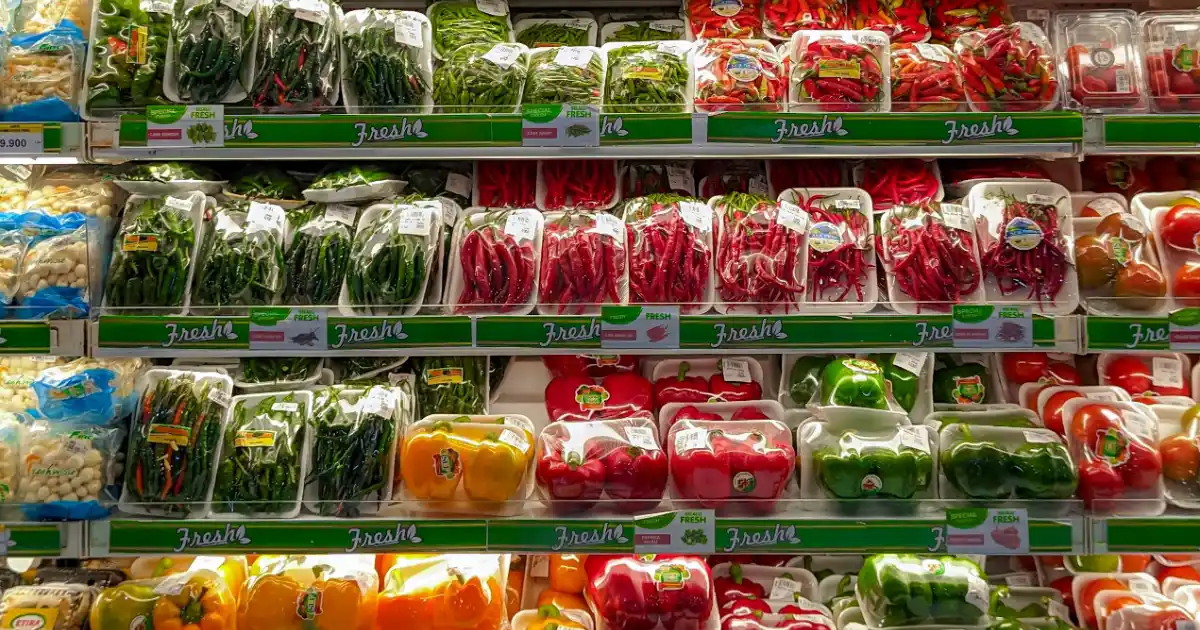
Image sources: Pexels, Pixabay, Unsplash, Kaboompics, and Flickr.
Every October 1, SNAP gets a new set of numbers: new maximum benefits, new income limits, and new deductions. The fiscal year 2027 amounts took effect on October 1, 2026, and benefits rose modestly in the 48 contiguous states and Washington, D.C. But here is the catch most people miss: the "maximum" is not what most households actually receive. Your real benefit depends on your household size, your income, and a handful of deductions. This guide walks through all of it.
What Changed on October 1, 2026
The annual cost-of-living adjustment is based on USDA's Thrifty Food Plan, a model grocery budget priced every June. For fiscal year 2027, which runs from October 1, 2026 through September 30, 2027, the main changes in the 48 states and D.C. are:
The maximum benefit for one person rose from $298 to $306 per month, and for a family of four from $994 to $1,023.
The minimum benefit for one- and two-person households rose to $25.
The standard deduction for households of one to three people rose to $217 a month.
The cap on the excess shelter deduction rose to $769.
The asset limit did not change: $3,000 for most households, and $4,750 if someone in the household is 60 or older or has a disability.
The increase applies automatically. You do not need to reapply or call anyone, and the new amounts show up in your regular October deposit and every month after it.
SNAP Maximum Monthly Benefits for FY2027
These are the maximum monthly allotments for the 48 contiguous states and D.C. The maximum is what a household with no countable income would receive.
Household Size | FY2026 Maximum | FY2027 Maximum | Monthly Change |
|---|---|---|---|
1 person | $298 | $306 | +$8 |
2 people | $546 | $562 | +$16 |
3 people | $785 | $808 | +$23 |
4 people | $994 | $1,023 | +$29 |
5 people | $1,183 | $1,217 | +$34 |
6 people | $1,421 | $1,463 | +$42 |
7 people | $1,571 | $1,616 | +$45 |
8 people | $1,789 | $1,841 | +$52 |
Each additional person (9 to 17) | $218 | $225 | +$7 |
Alaska, Hawaii, Guam, and the U.S. Virgin Islands use separate tables. For a family of four in fiscal year 2027, the maximum is $1,507 in Guam and $1,315 in the Virgin Islands. In Alaska it ranges from $1,306 to $2,027 depending on the area. Hawaii is the exception to the increase: its four-person maximum fell to $1,655.
SNAP Income Limits for FY2027
Most households have to pass two income tests. The gross income test looks at your total monthly income before deductions, and the limit is 130 percent of the federal poverty level. The net income test looks at what is left after deductions, and the limit is 100 percent of the poverty level.
Household Size | Gross Monthly Income Limit (130%) | Net Monthly Income Limit (100%) |
|---|---|---|
1 | $1,729 | $1,330 |
2 | $2,345 | $1,804 |
3 | $2,960 | $2,277 |
4 | $3,575 | $2,750 |
5 | $4,191 | $3,224 |
6 | $4,806 | $3,697 |
7 | $5,421 | $4,170 |
8 | $6,037 | $4,644 |
Each additional person | +$616 | +$474 |
Two things can change how these limits apply to you. Households that include someone age 60 or older, or someone with a disability, generally only need to pass the net income test. And some states use a higher gross income limit than the federal one, so a household slightly over the numbers above may still qualify. Your state SNAP agency can tell you which rules it uses.
How Your Actual Benefit Is Calculated
SNAP assumes a household can spend about 30 percent of its net income on food. Your benefit is the maximum for your household size minus that amount. In plain terms:
Start with your household's gross monthly income.
Subtract the deductions you qualify for to get your net income.
Multiply your net income by 30 percent.
Subtract that number from the maximum benefit for your household size.
Example: A household of three has $1,000 in net monthly income. Thirty percent of that is $300. The FY2027 maximum for three people is $808, so the monthly benefit would be $808 minus $300, or $508.
This is why two households of the same size can receive very different amounts. The lower your net income, the closer you get to the maximum.
The Deductions That Lower Your Net Income
Deductions are where many households find extra benefits, so it is worth knowing which ones exist:
Earned income deduction: 20 percent of your earnings is subtracted automatically.
Standard deduction: $217 for households of one to three people, $229 for four people, $268 for five people, and $308 for six or more.
Excess shelter deduction: Part of your rent or mortgage and utility costs that is above half your income, capped at $769 for most households. The cap does not apply to households with an older adult or a person with a disability.
Dependent care costs: Child care or adult care you pay for so that someone can work or attend training.
Medical expenses: Out-of-pocket medical costs above $35 a month for household members who are 60 or older or have a disability.
Asset Limits
The federal asset limit for fiscal year 2027 is $3,000 for most households and $4,750 for households with a member who is 60 or older or has a disability. Some states do not apply an asset test at all for many households, so check your state's rules before assuming you are over the limit.
Other 2026 Changes That Affect Eligibility
The new dollar amounts are only part of the picture. A 2025 law expanded the SNAP work requirements, and states have been phasing them in. Most adults must now document 80 hours a month of work, training, or volunteering to keep benefits beyond three months in a 36-month period. The age limit for these rules rose to 64, the exception for parents now covers only those with children under 14, and the earlier exemptions for veterans, people experiencing homelessness, and former foster youth were removed. Medically certified exemptions and some other exceptions remain.
If these rules might apply to you, ask your state SNAP agency exactly how it is applying them. Rules and start dates differ by state.
What to Do Next
Use your state's online pre-screening tool to get an estimate. It is faster than calculating by hand.
Apply even if you are close to the limits. The agency calculates the deductions for you.
Keep records of your rent, utilities, child care, and medical costs. They can raise your benefit.
Report changes in income or household size on time so your benefit stays accurate.
The Bottom Line
The FY2027 SNAP maximums are $306 for one person and $1,023 for a family of four in the 48 states and D.C., but your actual benefit depends on your net income and deductions. The increase is automatic, so the most useful thing you can do is make sure every deduction you qualify for is counted.
Official Sources
USDA Food and Nutrition Administration, SNAP Fiscal Year 2027 Cost-of-Living Adjustments (memorandum dated August 21, 2026)
Disclaimer: This article is for general informational purposes only and does not constitute legal, financial, or benefits application advice. SNAP rules, including income limits, deductions, and work requirements, vary by state and change over time. Always confirm your eligibility and benefit amount with your state's SNAP agency.
Something unclear or outdated?
Email sarahmjenkins@getinsightpress.com for a correction, source question, or clarification — it opens our feedback form for Sarah M. Jenkins.
More in Welfare
Lost, Stolen, or Damaged EBT Card? How to Replace It Fast
Your benefits stay on your account, but a missing card can be used by anyone who has your PIN. Here’s how to lock it, order a replacement, and what to expect.
What Can You Buy With EBT? Allowed Items, Banned Items, and 2026 State Soda and Candy Restrictions
SNAP covers most groceries, but not everything in the store. Here’s what’s allowed, what’s not, and which states now block soda and candy.
TANF vs. SNAP: What's Actually the Difference
Both come from the same local office, both help families with low income, and both get confused constantly. Here's what actually separates TANF from SNAP — and why you can usually get both at once.
How to Check Your EBT Card Balance (Every Method That Actually Works)
Getting declined at the register because you guessed wrong on your EBT balance is one of the most avoidable, embarrassing moments in grocery shopping. Here's every way to check your balance before you go — phone, app, website, and the one method that works even with zero internet access.